
Good vision plays a major role in how we work, drive, read, and enjoy everyday life — yet it’s often taken for granted until problems arise. The good news is that many vision issues can be prevented or managed with simple habits and regular care. Prioritizing your eye health now can help protect your sight for years to come.
Why Vision Health Matters
Your eyes do more than help you see clearly. Vision health is closely connected to overall well-being, safety, and quality of life. Uncorrected vision problems can increase the risk of falls, accidents, headaches, and eye strain, and may even affect productivity and mental health. Certain eye conditions can also signal other health issues, such as diabetes or high blood pressure, making eye exams an important part of preventive care.
Common Vision Changes
As we age, it’s normal to notice changes like difficulty reading small print, increased sensitivity to glare, or dry eyes. However, not all vision changes are a normal part of aging. Conditions like glaucoma, cataracts, macular degeneration, and diabetic eye disease can develop gradually and without obvious symptoms — making regular eye exams essential, even if your vision seems fine.
Everyday Habits That Support Healthy Eyes
Small daily choices can make a big difference when it comes to protecting your vision:
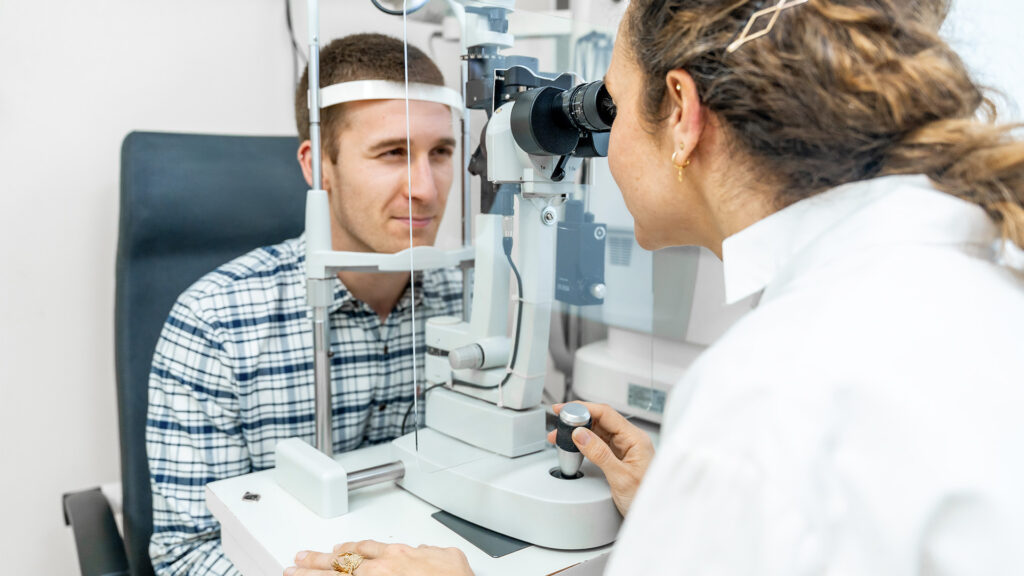
Schedule regular eye exams
Comprehensive eye exams can detect problems early, often before symptoms appear.
Give your eyes a break
If you spend time on screens, follow the 20-20-20 rule — every 20 minutes, look at something 20 feet away for 20 seconds.
Eat for eye health
Foods rich in vitamins A, C, and E, omega-3 fatty acids, and lutein — like leafy greens, carrots, fish, and eggs — help support healthy vision.
Wear protective eyewear
Use safety glasses for work or home projects, and wear sunglasses that block 100% of UV rays when outdoors.
Manage chronic conditions
Keeping conditions like diabetes and high blood pressure under control can reduce the risk of vision loss.
Don’t Ignore Changes in Vision
Blurry vision, frequent headaches, eye pain, flashes of light, or sudden vision loss should never be ignored. These symptoms may signal a serious issue and should be evaluated promptly by an eye care professional. Protecting your vision doesn’t require major lifestyle changes, just consistent care and awareness. Regular eye exams, healthy habits, and early attention to changes can help you maintain clear vision and confidence at every stage of life.