
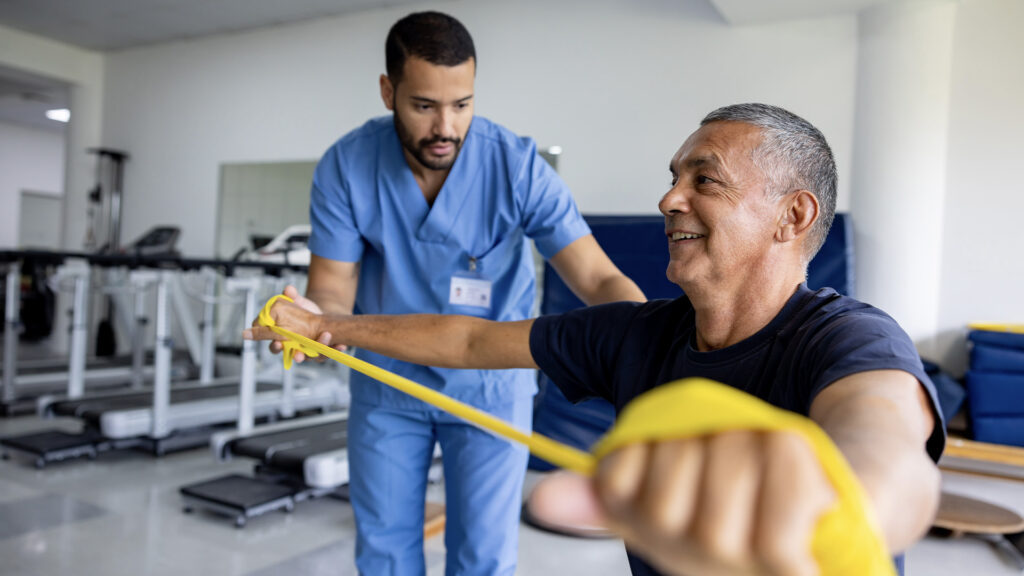
Recovering from an injury is about more than just letting time pass. Without proper care, the body can heal incorrectly, leading to lingering pain, reduced mobility, or even long-term complications. Physical therapy plays a critical role in guiding the body through a safe and complete recovery process.
Injuries often affect more than the immediate area of pain. Muscles weaken, joints stiffen, and movement patterns change. Physical therapy addresses these impacts, helping restore strength, flexibility, and proper function. With the right approach, it can significantly reduce recovery time and lower the risk of reinjury.
Key Ways Physical Therapy Supports Recovery
Restores Strength and Mobility
It is common to lose muscle strength and joint flexibility after an injury. Physical therapy uses guided exercises to gradually rebuild both.
Focus areas often include:
- Range-of-motion exercises
- Strength training for affected muscles
- Stability and balance work
Consistency matters more than intensity, and small, regular efforts will lead to steady improvement.
Promotes Safe, Guided Healing
One of the biggest challenges in recovery is knowing how much activity is too much or too little. Physical therapy provides a structured plan that evolves as you heal.
- Prevents overexertion that can worsen injuries
- Encourages movement that supports healing
- Builds confidence in using your body again
Reduces Pain Without Overreliance on Medication
Physical therapy offers natural, effective ways to manage discomfort and address the underlying causes of pain. Common techniques include:
- Stretching and strengthening exercises
- Manual therapy (hands-on techniques)
- Heat, cold, or other therapeutic methods
Prevents Future Injuries
Physical therapy helps correct imbalances and poor movement patterns that may have contributed to the injury in the first place.
- Improves posture and alignment
- Enhances coordination and balance
- Teaches safer movement techniques for daily activities
Injuries can be frustrating and disruptive to daily life. Physical therapy provides structure, measurable progress, and professional support, helping you stay motivated throughout the recovery process. Seeing consistent improvement can boost your confidence and make the journey feel more manageable.
Sources: ncbi.nlm.nih.gov, mississippisportsmedicine.com